
The world of offshore sailing offers few experiences as memorable as taking part in a major organised event. Two very different events are the ARC Rally (Atlantic Rally for Cruisers) and the RORC Round Britain & Ireland Race — two iconic passages that attract adventurous sailors from al over the world. Both involve serious seamanship, long offshore legs and the kind of teamwork that only forms far from land. But in almost every other way, the two events differ sharply: in purpose, culture, route, challenge and even the sort of sailor they attract.
For anyone dreaming of blue water, competitive adventure or choosing their next big sailing milestone, understanding these differences helps shape a clear path. Here’s a deeper look at how the ARC and the Round Britain & Ireland compare — and what kind of sailor each one suits.
Rally vs Race — A Fundamental Difference
ARC Rally — Ocean Crossing with Community
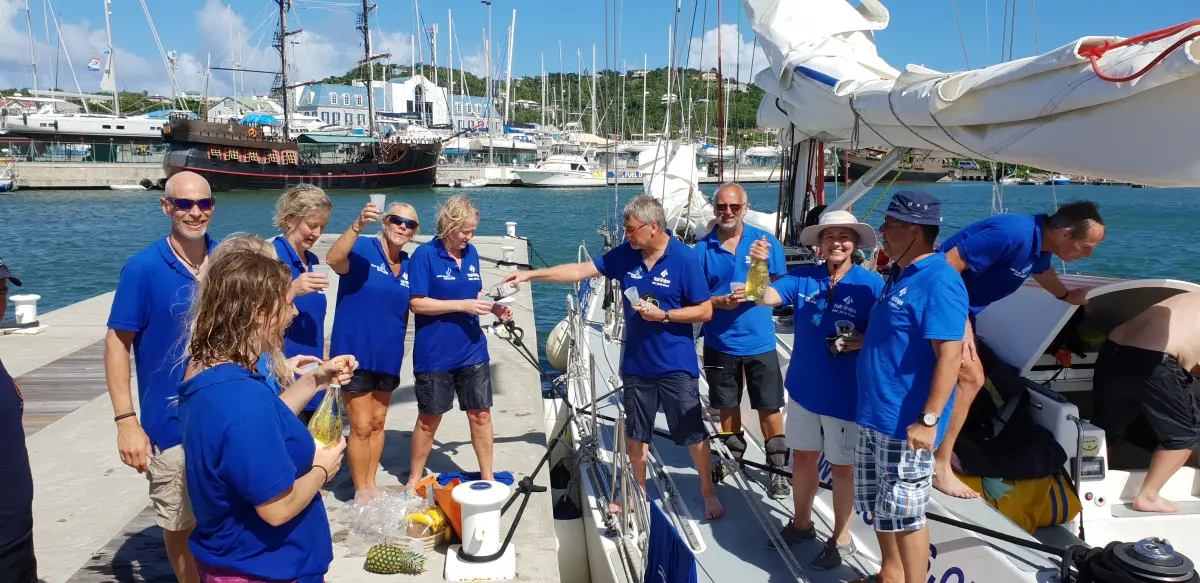
ARC Rally crews celebrating arrival into Rodney Bay, Saint Lucia
The Atlantic Rally for Cruisers (ARC) is a rally, not primarily a race. While line honours and divisions exist, the heart of the event lies in safe, supported ocean crossing in company. Hundreds of yachts depart together from Gran Canaria and make the 2,700nm trade-wind passage to Saint Lucia. It suits cruisers, families, offshore learners, mile-builders and sailors seeking the magic of a transatlantic adventure. This being said whenever there are two yachts going in the same direction a fair amount of competitive spirit is formed between like boats! The ARC takes place every year and starts in mid November.
The atmosphere is warm and social — seminars before departure, pontoon gatherings, a friendly radio net mid-ocean — and the arrival in Saint Lucia is famously joyful.
Learn more from the official World Cruising Club ARC overview.
RORC Round Britain & Ireland — Competitive Offshore Endurance
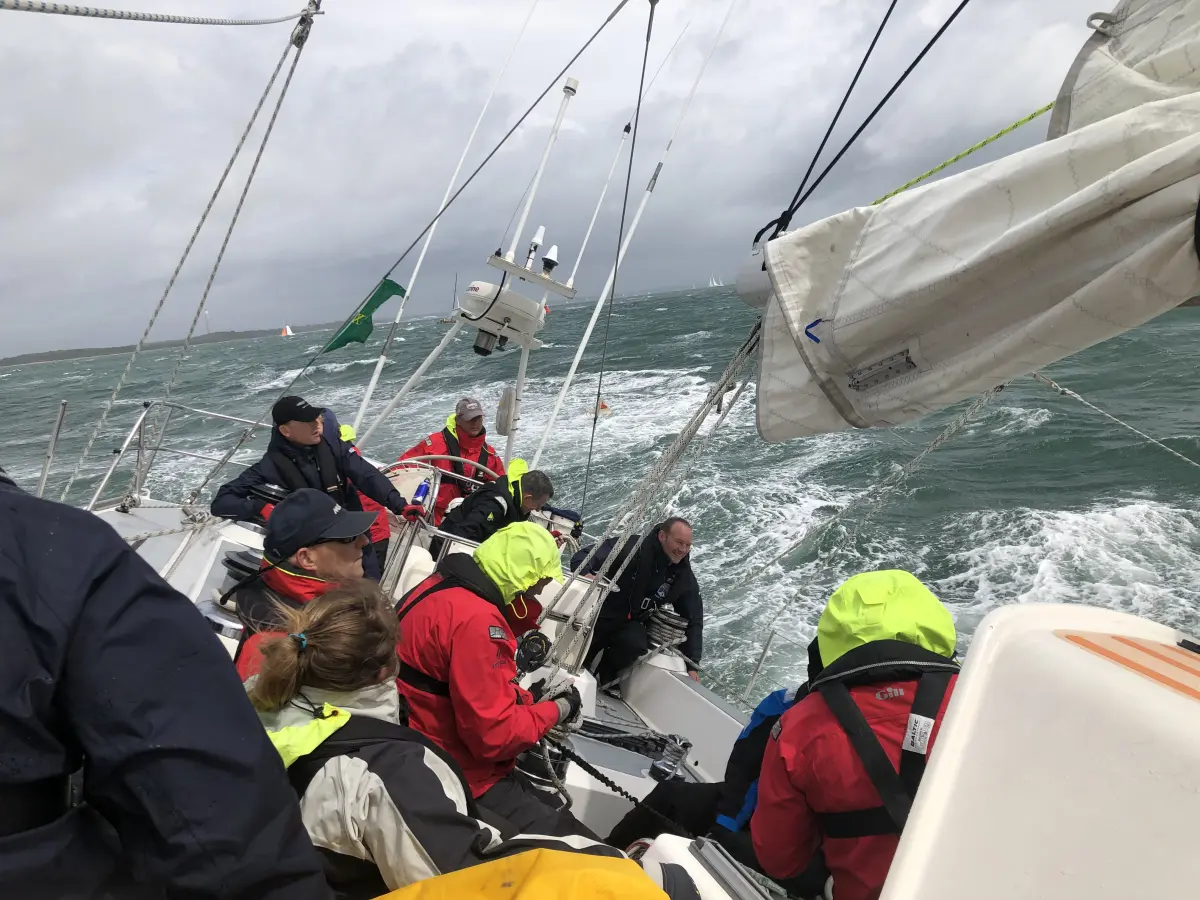
RORC Round Britain & Ireland yacht racing hard in heavy seas
The RORC Round Britain & Ireland Race, by contrast, is a serious competitive offshore challenge, organised by the Royal Ocean Racing Club. It sends yachts clockwise around Britain and Ireland, covering around 1,805 nautical miles depending on weather routing. Unlike the ARC, which benefits from stable trade winds, RORC crews face tidal gates, busy shipping lanes, headlands, low-pressure systems and heavy weather. Sleep is rationed, sail changes are frequent, and performance matters.
It takes place every 4 years. More details can be found through the official RORC RB&I race information page. and you can see a video here:
One is built for adventure and shared experience.
The other is built for endurance and competitive skill.
Route & Conditions — Trades vs Systems
ARC Route — Warm Water, Predictable Trades
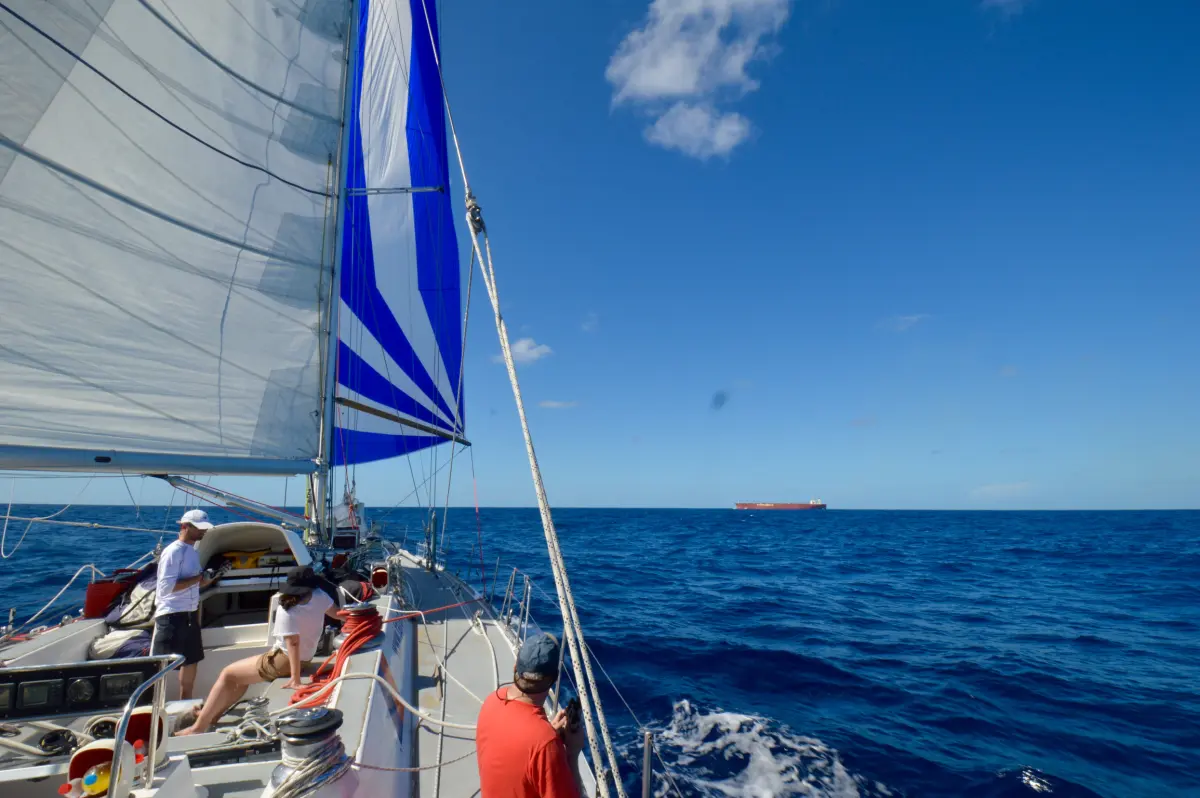
ARC yacht sailing downwind in Atlantic trade winds with spinnaker set
The ARC runs from Las Palmas, Gran Canaria to Rodney Bay, Saint Lucia, roughly 2,700nm. It’s a downwind route through the trade winds — a blue-water crossing with a warm destination, flying fish on deck and dolphins off the bow. Weather is typically predictable, with long spells of poled-out genoa or spinnaker sailing and star-filled night watches. Squalls arrive occasionally, but conditions are often steady and favourable. It’s ocean miles, yes — but ocean miles with sunshine.
RB&I Route — A Clockwise Gauntlet Through the North Atlantic
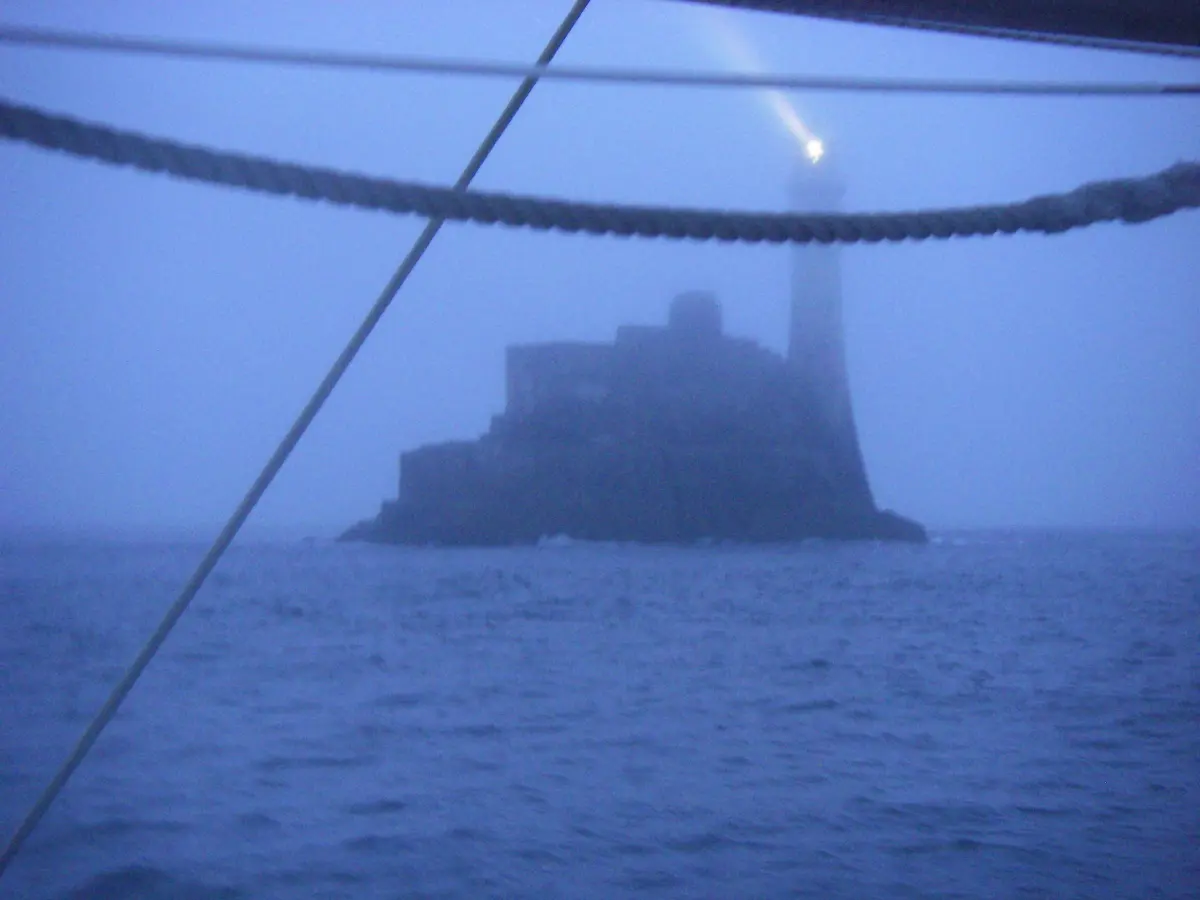
RORC Round Britain & Ireland yacht passing the Fastnet Rock in fairly unpleasant conditions
RB&I winds are far less predictable. Crews head out through the English Channel past Lands End and out to the Bull and the Calf rocks off the south west corner of Island of Ireland. From there the route is North up the Atlantic, leaving the remote island of St Kilda to starboard. The next mark is Muckle Flugga at the top of the Shetland Islands around the top of Scotland and south back down the North Sea before heading through the Dover Straits and back to the finish line in front of the Royal Yacht Squadron in the Solent. Fog, fronts, calms, gales, wind farms, oil and gas platforms, commercial traffic — you get everything.
Warm tropics vs North Atlantic grit — the contrast couldn’t be sharper.
Who Takes Part?
ARC Sailors
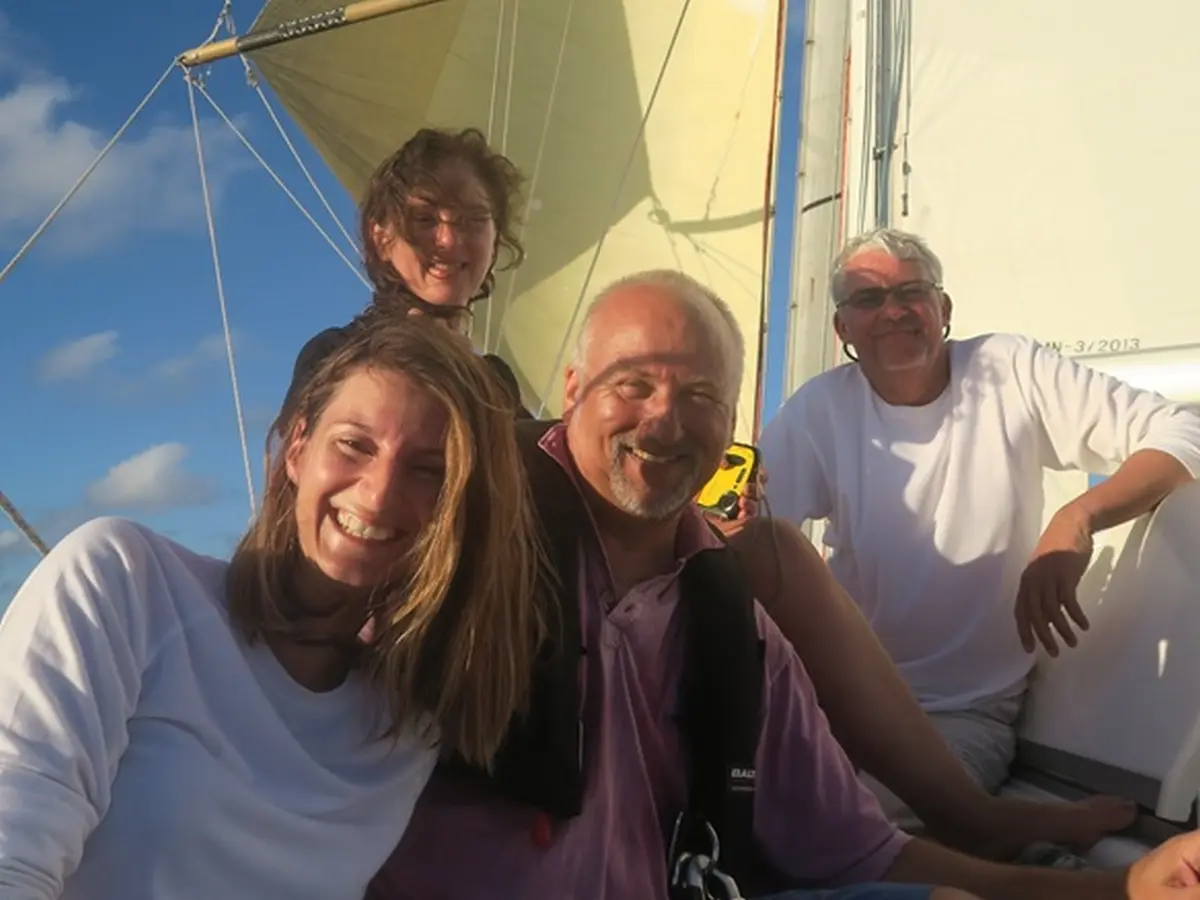
ARC rally crew on deck enjoying mid-Atlantic sailing conditions
The ARC attracts:
-
Adventurous cruisers & liveaboards
-
Families & blue-water dreamers
-
Ocean mile-builders
-
People taking on their first transatlantic crossing
-
A handful of competitive yachts aiming for fast times
It’s welcoming, social and confidence-building.
Who Sails in the Round Britain & Ireland Race?
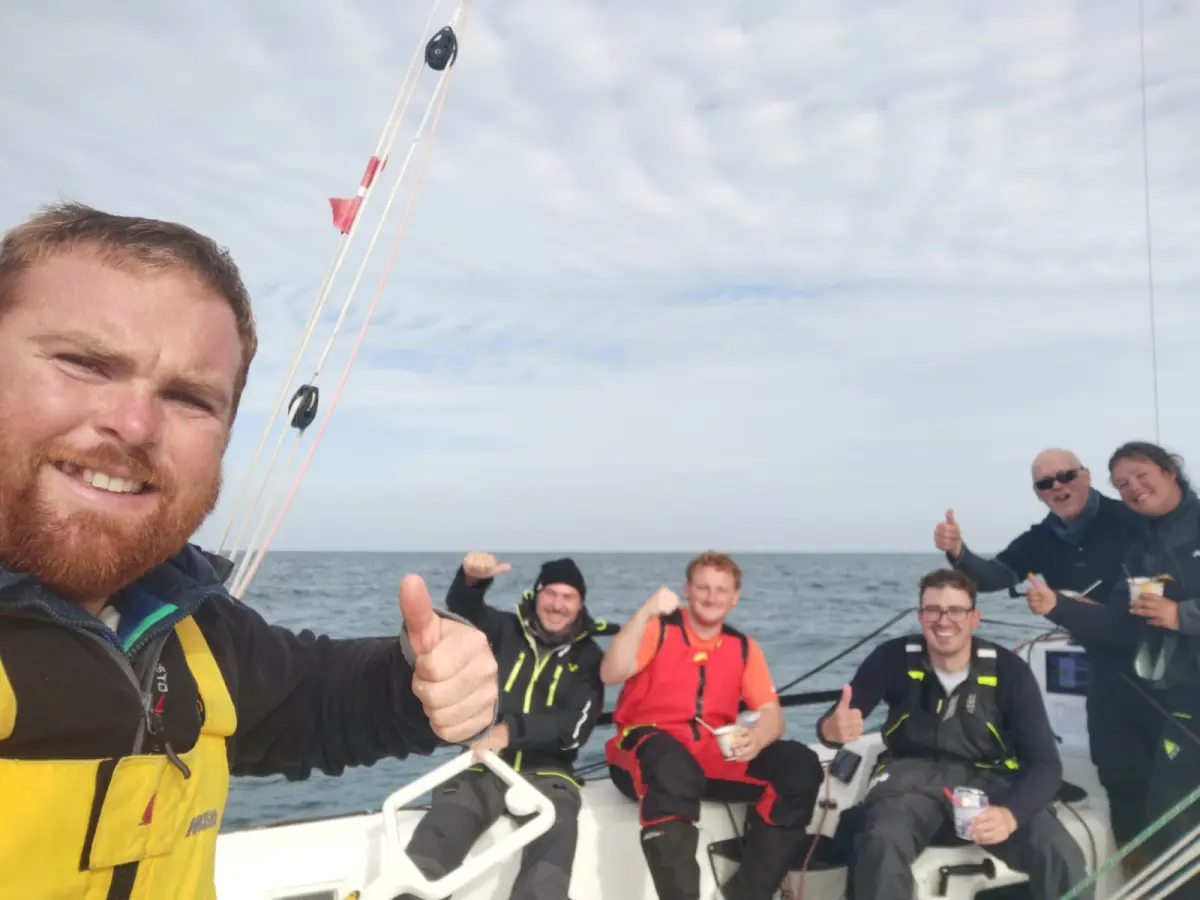
A tired but happy RORC crew
The Round Britain & Ireland is typically crewed by:
-
race teams and semi-professional sailors
-
offshore-hardened amateurs
-
double-handed specialists
-
competitive IRC racing programmes
-
yachts using the race as a proving ground
Every participant expects wet, cold, fatigue and technical problem-solving. Sleep deprivation is normal. Offshore communication is tactical, not social. It’s less about sunsets and more about speed, strategy and pressure.
It’s not a holiday. It’s a campaign.
Skill Requirements
ARC Skillset
ARC sailors need:
-
good seamanship
-
confidence in watchkeeping
-
ocean safety awareness
-
ability to manage a boat for 2–3 weeks
-
provisioning and life-aboard skills
-
ocean weather understanding
For many, the ARC is the perfect first ocean crossing, especially on a well-run boat. The challenge is endurance and routine rather than intensity.
Round Britain & Ireland Skillset
RB&I crews require:
-
strong offshore racing ability
-
rapid sail-handling and manoeuvres
-
heavy-weather navigation
-
tactical racing decisions
-
fitness for long periods with little sleep
-
mental resilience when conditions turn rough
This race tests the limits of crew endurance more than the ARC ever needs to. It’s a trial by weather, sail trim and stamina.
Culture & Atmosphere
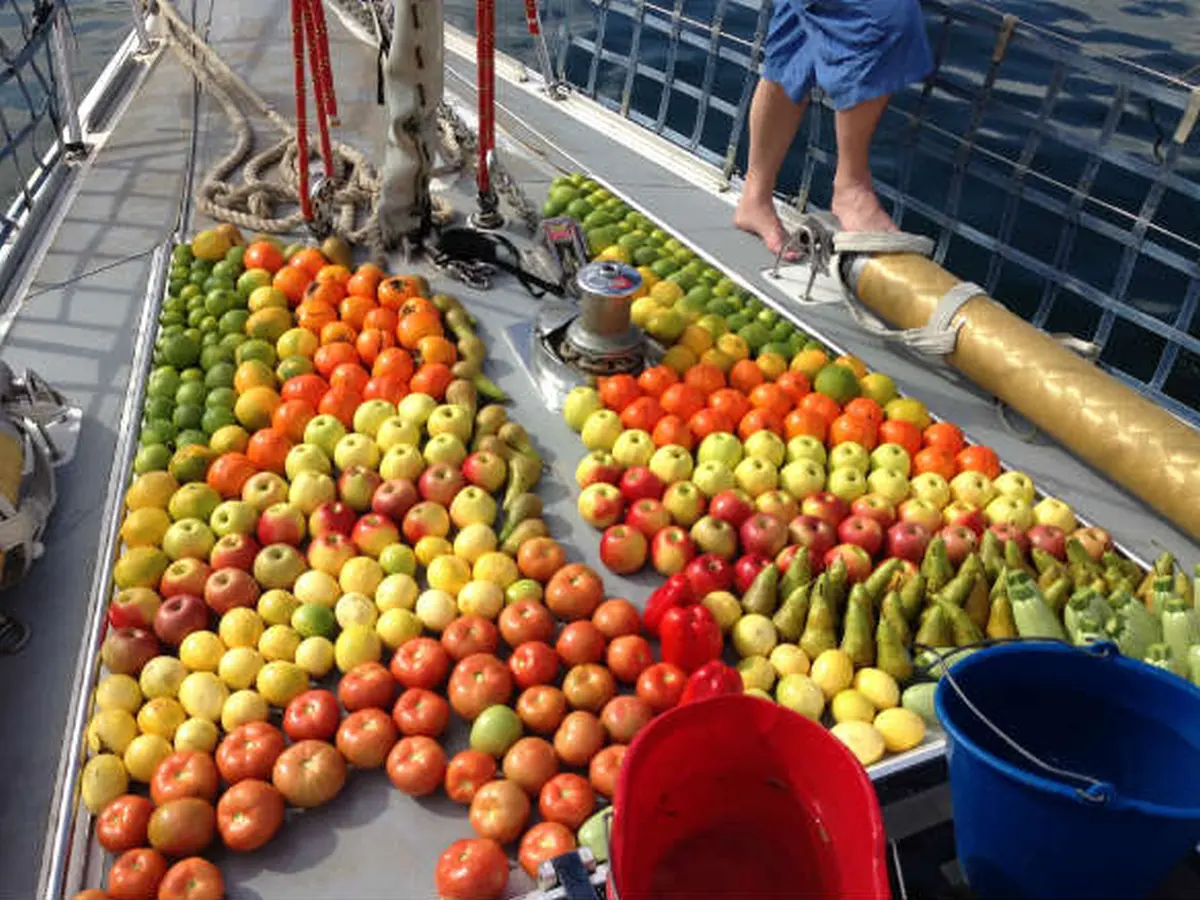
Bring on fruit and veg in Las Palmas before the start of the ARC
On the ARC, the rally village buzzes before departure with seminars, safety checks, social events and children playing on pontoons. Boats depart together, track each other and celebrate arrivals days or weeks apart. The welcome in Saint Lucia is famous — ARC flags, cold rum punch, cheering on the dock.
The Round Britain & Ireland arrival is quieter. Boats finish tired, salt-streaked and utterly satisfied. Celebrations take place at the RORC with hot food, showers and a pint or two on the cards. The achievement is immense, but it’s a hard-won triumph, not a Caribbean party banner.
Join Us Next Year — Two Events, Two Boats, One Lifelong Memory
We’re entering both events next year, and berths are now open:
🌴 ARC 2026 on Challenger 72
Ideal for anyone seeking a safe, structured Atlantic trade-wind crossing, mile-building, offshore growth & unforgettable ocean adventure.
→ Explore full details here on our ARC Rally page
🌊 RORC Round Britain & Ireland 2026 on Farr 40
Perfect for sailors wanting a fast, physical offshore race campaign, complex racing strategy, and a true endurance challenge.
→ View the course details & berths on our RORC RB&I Race page
If you’re choosing your challenge, ask yourself:
Do you dream of warm trades and Caribbean landfall…
or testing yourself against one of the hardest offshore races in Europe?
Either way — we have a place for you.
FAQ – ARC vs RB&I
Is ARC a race or a rally?
A rally. There is competition, but the focus is safe, supported ocean crossing with community.
Is the Round Britain & Ireland Race suitable for less experienced sailors?
It’s demanding — strong offshore ability is required. Training beforehand is important.
How long does the ARC take?
Typically 18–21 days, depending on conditions and boat speed.
How long does Round Britain & Ireland take?
Anywhere from 8 to 14+ days, depending on weather, yacht and performance.
Which is harder?
RB&I is more intense, tactical and physically demanding. ARC is longer but generally more comfortable and predictable.
Can I join even if I don’t have a full crew?
Yes — we allocate berths individually on our Challenger 72 (ARC) and Farr 40 (RB&I).
The post ARC Rally vs RORC Round Britain and Ireland Race: Two Offshore Adventures, Two Very Different Challenges appeared first on Sailing Blog.